










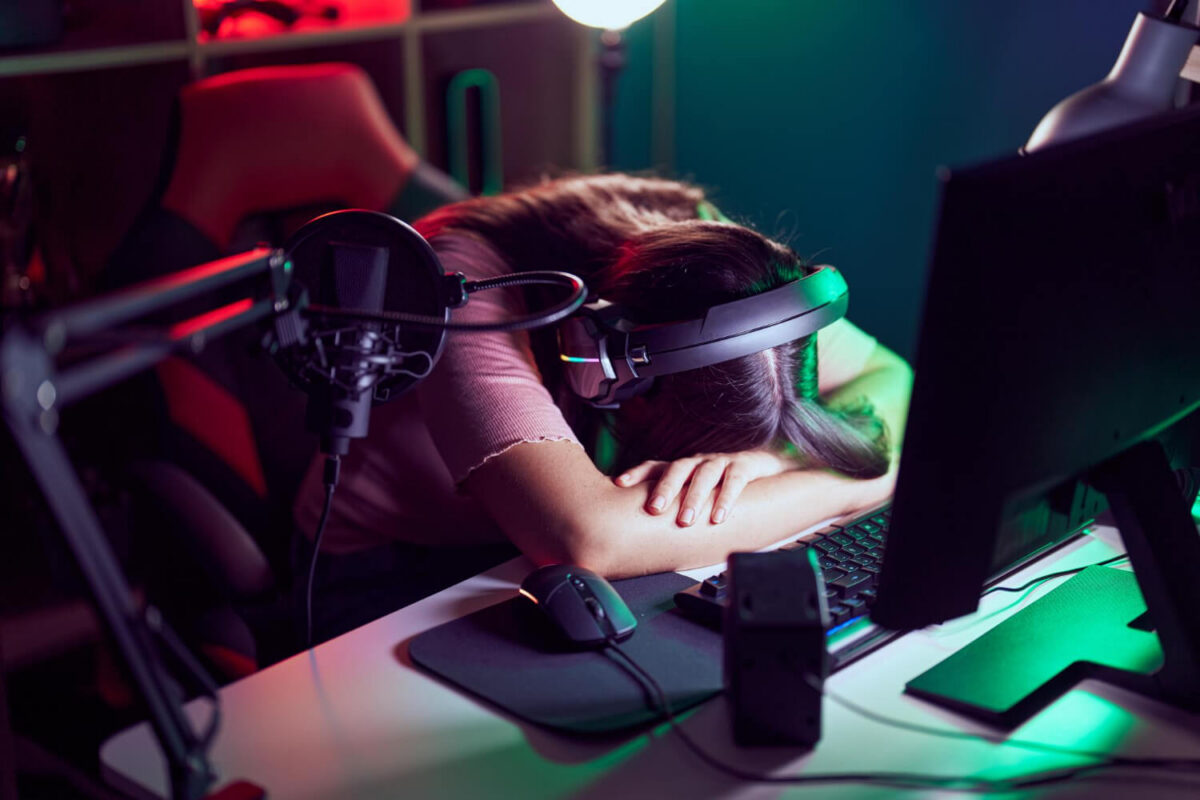
When gaming shifts from hobby to compulsion, the impact reaches every area of life. Relationships suffer. Work and school fall apart. Sleep, nutrition, and physical health deteriorate. For people caught in the grip of gaming addiction, finding a gaming addiction rehab center Austin TX residents can trust is the first step toward reclaiming a life that feels balanced and meaningful.
At Omega Recovery, we specialize in treating gaming addiction and other technology-related compulsions. We understand what drives compulsive gaming — and we know what it takes to help people break free from it.
What Is Gaming Addiction?
Gaming addiction is a pattern of compulsive gaming behavior that persists despite significant negative consequences. The World Health Organization officially recognized gaming disorder as a diagnosable condition in 2019. It’s characterized by impaired control over gaming, increasing priority given to gaming over other activities, and escalating involvement even as problems mount.
For many people, gaming addiction develops gradually. What starts as a way to relax, socialize, or escape stress slowly becomes something they can’t stop. Hours disappear. Obligations go unmet. Real-world relationships feel shallow compared to the connections formed online. The game becomes the primary source of reward, identity, and emotional regulation.
Gaming addiction isn’t about weak willpower. It’s about brain chemistry. Games are engineered to exploit the brain’s reward system — delivering variable reinforcement, social validation, and a sense of achievement in ways that can become genuinely compulsive. Understanding that dynamic is foundational to effective treatment.
When someone in Austin is searching for a gaming addiction rehab center Austin TX, they’re often at a point where the consequences have become impossible to ignore. That recognition is the beginning of recovery.
Who Is Affected by Gaming Addiction?
Gaming addiction doesn’t fit a single profile. It affects teenagers and adults, men and women, people who game solo and people who game socially. That said, certain patterns are common.
Adolescents and young adults are disproportionately affected. The combination of a developing brain, academic pressure, social anxiety, and the immersive design of modern games creates significant vulnerability. Many young people use gaming as a way to manage emotional distress — only to find that the escape becomes its own problem.
Adults struggling with gaming addiction often cite loneliness, depression, anxiety, or unfulfilling work as underlying drivers. Gaming offers a structured world where effort is rewarded and progress is visible — a stark contrast to the ambiguity and frustration of everyday adult life. For people who feel stuck or disconnected, that appeal is powerful.
Gaming addiction also frequently co-occurs with other mental health conditions. ADHD, depression, anxiety, social anxiety disorder, and autism spectrum conditions all appear at elevated rates among people with gaming disorder. Effective treatment addresses the whole picture — not just the gaming behavior in isolation.
How Gaming Addiction Affects Daily Life
The consequences of untreated gaming addiction are broad and serious. Understanding what’s at stake helps clarify why professional treatment matters.
Relationships.
Compulsive gaming erodes relationships over time. Partners, parents, and friends feel ignored, dismissed, or replaced by the game. Social withdrawal deepens as real-world interactions feel less rewarding than online ones. Many people with gaming addiction describe a growing sense of disconnection from the people who matter most to them.
Work and school.
Gaming addiction frequently interferes with academic and professional performance. Late-night gaming sessions lead to sleep deprivation. Difficulty concentrating, missed deadlines, and declining grades or job performance are common consequences. Some people lose jobs or drop out of school entirely before seeking help.
Physical health.
Extended gaming sessions take a toll on the body. Sleep disruption, poor nutrition, sedentary behavior, and neglect of basic self-care are hallmarks of compulsive gaming. Some people develop repetitive strain injuries or other physical health problems as a result.
Mental health.
Gaming addiction and mental health are deeply intertwined. Compulsive gaming often worsens the anxiety, depression, or emotional dysregulation that drove the behavior in the first place — creating a cycle that’s difficult to break without professional support.
A gaming addiction rehab center Austin TX residents can access provides the structured environment and clinical support needed to interrupt that cycle and begin building something better.
What Treatment Looks Like at a Gaming Addiction Rehab Center
Effective gaming addiction treatment goes well beyond telling someone to put down the controller. It addresses the psychological, emotional, and behavioral patterns that make gaming compulsive — and builds the skills and connections needed to sustain a balanced life.
Comprehensive assessment.
Treatment begins with a thorough clinical assessment. Understanding a person’s gaming history, underlying mental health conditions, family dynamics, and life circumstances allows the clinical team to build a genuinely individualized treatment plan.
Individual therapy.
One-on-one therapy is the core of gaming addiction treatment. Cognitive Behavioral Therapy helps clients identify the thoughts, emotions, and situations that trigger compulsive gaming and develop healthier responses. Psychodynamic approaches explore the deeper needs gaming has been meeting — whether that’s connection, competence, escape, or control. IFS helps clients work compassionately with the parts of themselves that turn to gaming for relief.
Group therapy.
Group work is especially powerful in gaming addiction treatment. Hearing from others who share similar experiences reduces shame and isolation. Groups focused on social skills, emotional regulation, and healthy coping build the relational foundation that gaming often substitutes for.
Family involvement.
Gaming addiction affects the whole family. Family therapy helps repair damaged relationships, improve communication, and ensure that the home environment supports recovery rather than undermining it.
Adventure and nature-based therapy.
At Omega Recovery, we use adventure therapy and nature-immersion as core components of gaming addiction treatment. These approaches reconnect people with real-world experiences that provide the same sense of challenge, achievement, and connection that gaming artificially delivers — but in ways that build genuine wellbeing rather than compulsive behavior.
Life skills and healthy technology use.
Recovery from gaming addiction isn’t about eliminating all technology. It’s about developing a healthy, intentional relationship with screens. Treatment includes practical skills for managing technology use, building routines, and creating a life that’s rich enough to make compulsive gaming unnecessary.
The Role of Adventure and Nature Therapy
One of the most distinctive aspects of Omega Recovery’s approach to gaming addiction treatment is our use of adventure therapy and nature-immersion. These aren’t add-ons — they’re central to how we help people reconnect with real-world living.
Games are compelling in part because they offer challenge, mastery, and immediate feedback. Adventure therapy delivers those same elements through real experiences. Outdoor activities, physical challenges, and collaborative tasks engage the brain in ways that feel genuinely rewarding — without the compulsive pull of a screen.
Nature-immersion has a well-documented restorative effect on the nervous system. Time in natural environments reduces stress, improves mood, and helps regulate the hyperaroused state that often drives compulsive technology use. For people who have spent months or years primarily indoors behind a screen, reconnecting with the natural world can be profoundly grounding.
For anyone seeking a gaming addiction rehab center Austin TX, Omega Recovery’s nature-based approach offers something that purely clinical settings cannot — the lived experience of finding meaning, connection, and reward outside of a screen.
Co-Occurring Conditions and Gaming Addiction
Gaming addiction rarely exists on its own. For the majority of people who develop compulsive gaming behavior, there are underlying mental health conditions that both contribute to and are worsened by the addiction.
ADHD.
The impulsivity and reward-seeking patterns associated with ADHD make gaming particularly compelling — and particularly difficult to moderate. Many people with undiagnosed or undertreated ADHD discover that gaming is one of the few activities that fully captures their attention. Treatment that addresses ADHD alongside gaming addiction produces far better outcomes than treating either in isolation.
Anxiety and social anxiety.
For people with anxiety, gaming offers a low-stakes environment where social interaction can happen on their own terms. Online gaming provides connection without the vulnerability and unpredictability of face-to-face relationships. As gaming increases, real-world social skills often atrophy — deepening anxiety and further entrenching the cycle.
Depression.
Gaming provides stimulation and a sense of purpose that depression strips away. The temporary relief it offers can make it deeply compelling for people struggling with depressive symptoms. But the longer-term effect of compulsive gaming on depression is almost always negative — worsening isolation, disrupting sleep, and reinforcing avoidance.
Trauma.
For some people, gaming is a way to escape traumatic memories or emotional pain. The immersive, dissociative quality of heavy gaming can function as a trauma response. Treating gaming addiction in the presence of trauma requires trauma-informed care — not just behavioral intervention.
At Omega Recovery, we assess for and treat co-occurring conditions as part of every client’s individualized plan. Our clinical team has deep experience with the mental health conditions that most commonly accompany gaming addiction.
Why Choose Omega Recovery
Among the options for a gaming addiction rehab center Austin TX, Omega Recovery stands apart. We were founded by Dr. Nicholas Kardaras — a nationally recognized expert in technology addiction and the author of Glow Kids, one of the most widely read books on the impact of screens on the brain. That expertise shapes every aspect of how we treat gaming addiction.
Our approach combines evidence-based clinical therapies — including CBT, DBT, psychodynamic therapy, IFS, and somatic therapy — with adventure therapy and nature-immersion programming that sets us apart from conventional treatment settings. We treat gaming addiction as the serious clinical condition it is, while building the real-world skills and connections that make lasting recovery possible.
We offer PHP and IOP levels of care, allowing us to match the intensity of treatment to each client’s needs. Our admissions team conducts thorough assessments to ensure every client enters the right level of care from the start.
If you or someone you love is struggling with compulsive gaming, Omega Recovery is here to help. Recovery isn’t about giving up something you love — it’s about building a life where you don’t need to escape.
Take the First Step
Gaming addiction is serious — but it is treatable. People recover. They rebuild relationships, return to school and work, and rediscover what makes real life meaningful. The right treatment makes that possible.
You don’t have to figure this out alone. As a gaming addiction rehab center Austin TX residents can rely on, Omega Recovery offers the clinical expertise, individualized care, and real-world programming needed to create lasting change. Reach out to our team today to learn more and begin the admissions process. For more information, visit our website https://omegarecovery.org/ or call us at (512) 601-5407.
FAQ
What is a gaming addiction rehab center?
A gaming addiction rehab center is a treatment facility that specializes in helping people overcome compulsive gaming behavior. Treatment typically includes individual therapy, group therapy, family support, and skills-based programming designed to address the underlying causes of gaming addiction and build a healthier relationship with technology.
Does Omega Recovery treat gaming addiction?
Yes. Omega Recovery specializes in gaming addiction and other technology-related compulsions. We offer PHP and IOP programming that combines evidence-based therapies — including CBT, DBT, psychodynamic therapy, IFS, and somatic therapy — with adventure therapy and nature-immersion to support lasting recovery.
What causes gaming addiction?
Gaming addiction develops through a combination of factors — including the neurological reward mechanisms exploited by game design, underlying mental health conditions like ADHD, anxiety, and depression, and unmet emotional needs like connection, competence, and escape. Effective treatment addresses all of these factors rather than focusing solely on gaming behavior.
How do I know if someone needs a gaming addiction rehab center?
Signs that professional treatment may be needed include an inability to control gaming despite wanting to stop, significant negative consequences in relationships, school, or work, withdrawal symptoms when gaming is restricted, and using gaming as the primary way to cope with stress or negative emotions. A clinical assessment can help determine the appropriate level of care.
Can gaming addiction be treated alongside other mental health conditions?
Yes — and it usually needs to be. Gaming addiction frequently co-occurs with ADHD, anxiety, depression, trauma, and other conditions. At Omega Recovery, we assess for and treat co-occurring diagnoses as part of every client’s individualized treatment plan.