

Visit Us
Get Directions



Prescription drug addiction occurs when someone becomes physically or psychologically dependent on medication prescribed by a doctor. Commonly misused prescriptions include opioids, benzodiazepines, and stimulants—each with a high potential for dependence and withdrawal challenges.
This type of addiction is complex because it often begins with legitimate medical use before escalating into compulsive behavior. It affects not only the person misusing the medication but also their family, friends, and overall quality of life.
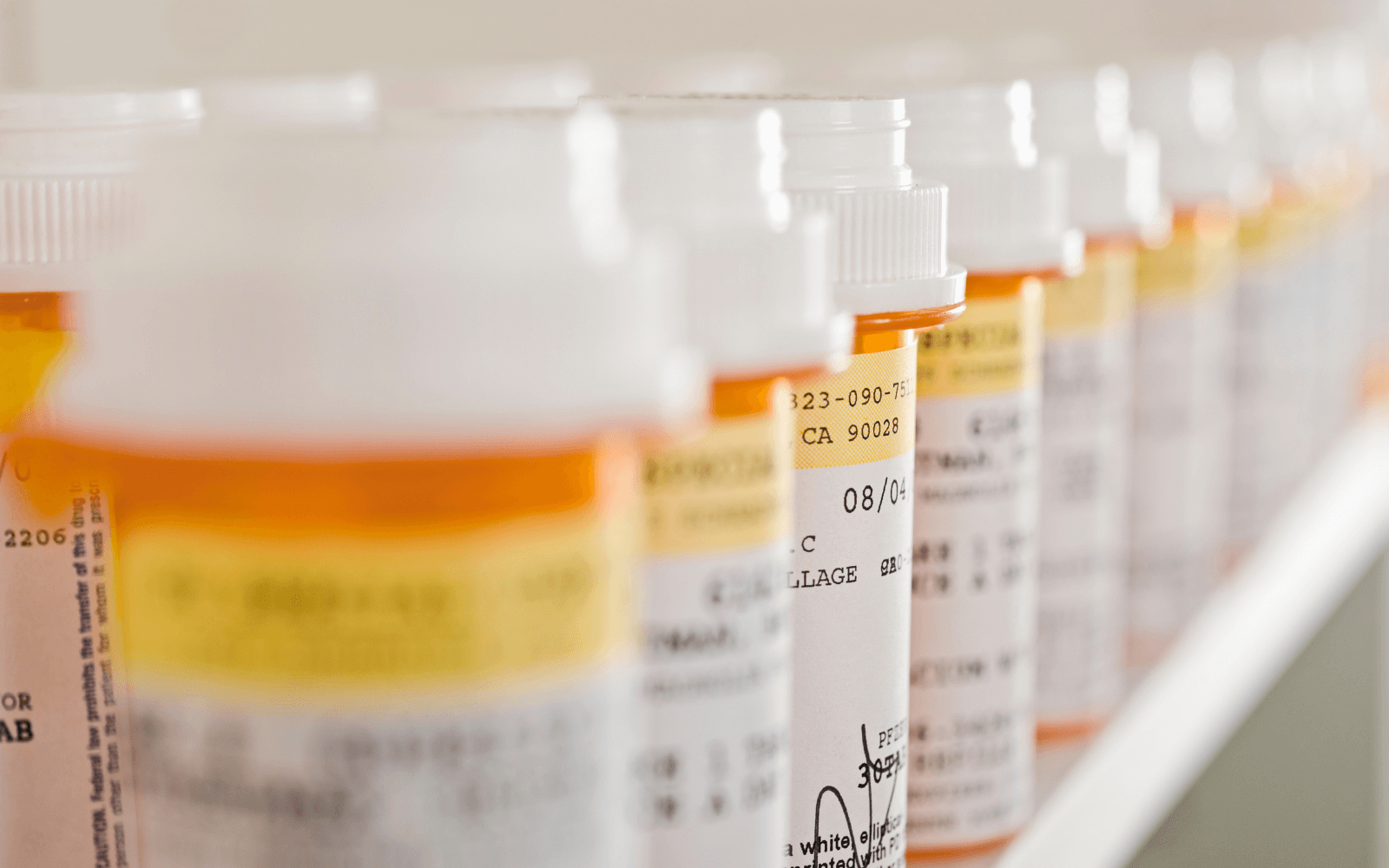
There is no single formula for identifying prescription drug addiction, but its impact can be seen across all areas of life—home, work, school, and relationships. Left untreated, it can cause severe health risks, emotional instability, and long-term consequences.
Prescription drug misuse means taking medicine in a way that’s different from its prescribed use, which can include taking a larger dose, using it to get high or taking medication prescribed to someone else. Addiction involves difficulty controlling use and continuing despite harmful consequences.
Tolerance, physical dependence and addiction are related concepts, but they’re not interchangeable. Tolerance means the body’s response to a medication changes with repeated use, while physical dependence means the body has adapted to the medication and reducing or stopping it may cause withdrawal.
If someone needs medical help to stop a medication, it doesn’t automatically mean they have an addiction. An assessment looks at control over use, consequences and the circumstances that surround treatment.
Opioids, central nervous system depressants and stimulants are the major categories of prescription medicines associated with misuse. They have legitimate medical uses, but taking them outside prescribing instructions can create serious risks.
The National Institute on Drug Abuse, commonly called NIDA, identifies these categories as important areas of concern.
Each category has different effects, withdrawal concerns and treatment needs. Assessment should identify the specific medications involved, how they’re being taken and if alcohol or substances are also used so clinicians can evaluate risks and then recommend appropriate care.

We treat technology addiction and metal health problems at the root cause to help clients find sustainable recovery. At Omega, we offer a range of long-term treatment plans and therapy approaches.
Trauma Evaluation & Therapy
At Omega, each patient is evaluated for trauma. A patient’s trauma history is always treated with great care, targeted therapy, clinical support, and a holistic approach.
Dual Diagnosis Dual
diagnosis treatment works to discover and treat the deeper issues that bring individuals to their addictive behavior. That’s why a patient at Omega is not an “addict”; instead, they’re a person suffering from an addiction.
Long-Term Rehab Options
At Omega, we provide thorough and methodical treatment to shed old, detrimental habits and develop new, productive ones. We offer longer-term programs from 60 days to one year.

Your treatment is likely to be partially or fully covered with almost any major insurance provider.

Difficulty controlling medication use and continuing despite consequences are reasons to get a professional assessment. Problems may develop gradually, and a person might still meet some of their responsibilities but struggle in other areas.
Concerns worth discussing include:
Tolerance, withdrawal symptoms or requests for pain relief alone aren’t the only criteria to diagnose addiction. Clinicians look at the broader pattern, including if the medication is being taken as directed and how the use affects the person’s life.
Prescription drug addiction treatment at Omega Recovery addresses substance use alongside the emotional and practical challenges that might affect recovery. Our outpatient approach includes therapy, skills development and mental health services, all according to individual needs.
Assessment considers medication use, other substances, current symptoms, previous treatment and daily functioning, and it helps clarify concerns and determine if the outpatient services at the center are a fit.
Ongoing medical needs are still important. A person might still need treatment for pain, anxiety, sleep difficulties or ADHD. Recovery planning should account for those needs instead of assuming every prescription must be stopped.
Treatment goals might include changing harmful use patterns, building coping skills and improving functioning. Recommendations should reflect both clinical needs and the circumstances of the client.
Cognitive behavioral therapy or CBT helps clients examine connections among thoughts, emotions and behavior. This can involve recognizing situations associated with misuse and practicing alternative responses.
For example, a client may notice that work stress or fear of discomfort precede taking extra medication. Therapy can help identify the pattern and develop a plan for responding differently.
Dialectical behavior therapy (DBT) provides skills for managing distress, regulating emotions and communicating needs. Relapse prevention can address cravings, warning signs and situations that make harmful use more likely.
Anxiety, depression and trauma-related symptoms may happen alongside prescription medication misuse. Omega Recovery’s dual diagnosis treatment addresses co-occurring mental health and substance use concerns within a coordinated approach.
Psychiatric evaluation and medication management are available when appropriate. Nature-immersion and adventure therapy also complement clinical services by providing opportunities for activity and connection. These are services that are part of the broader treatment program instead of substitutes for necessary medical care.
Opioids, central nervous system depressants and stimulants are the major categories of prescription medicines associated with misuse. They have legitimate medical uses, but taking them outside prescribing instructions can create serious risks.
The National Institute on Drug Abuse, commonly called NIDA, identifies these categories as important areas of concern.
Each category has different effects, withdrawal concerns and treatment needs. Assessment should identify the specific medications involved, how they’re being taken and if alcohol or substances are also used so clinicians can evaluate risks and then recommend appropriate care.
Omega Recovery offers three phases of outpatient care with different levels of structure, and our clinical team looks at each case individually to recommend a starting point based on treatment needs and goals.
A partial hospitalization program or PHP provides structured daytime treatment without an overnight clinical stay. At Omega Recovery, our PHP includes individual therapy, process groups and skills-based groups.
Clients go home or to separate recovery housing afterward. PHP offers substantial daytime support for people who need an intensive outpatient setting.
Omega Recovery’s five-day intensive outpatient program and three-day intensive outpatient program provide continued care at different weekly frequencies. These phases let clients practice skills outside treatment while maintaining clinical support. Transitions depend on individual needs and progress, and admissions can explain current schedules and participation requirements.





We recognize that prescription drug addiction impacts every part of life—health, relationships, and emotional stability. Our experienced clinical team uses evidence-based practices and experiential methods to help clients and their families heal from the inside out.
We believe that addiction is a symptom of deeper issues beneath the surface. At Omega Recovery, we help clients address not only the physical dependence but also the emotional and psychological roots of their addiction—empowering lasting recovery and personal growth.
Omega Recovery offers a safe, supportive, and structured program designed to help individuals address and heal the underlying causes of prescription drug addiction.
Our experienced clinical team and compassionate counselors work together to provide a comprehensive recovery experience for everyone who joins our community. Clients participate in counseling and evidence-based treatment for several hours each day, five to six days a week, creating a strong foundation for lasting recovery.
Get HelpOur staff is unique because many of us have walked our own paths of healing and recovery. We genuinely care about every individual who enters our programs. Having done the foundational work ourselves, we serve as living examples of what it means to rebuild a meaningful life with purpose and hope.
GET HELP Verify InsuranceConcerns about prescription medication use deserve an informed, nonjudgmental response. An initial conversation can help individuals and loved ones understand available services and the steps involved in seeking care.
Omega Recovery’s admissions team can talk about prescription drug addiction treatment, explain outpatient options and help prospective clients explore treatment fit. Questions about assessment, schedules and insurance benefits can also be addressed.
If medication use is getting hard to control or is affecting your life, contact Omega Recovery to discuss the next steps.
Our three-phase process, including PHP and IOP, provides tailored care to meet each client’s unique recovery needs.

Addicts often find it very difficult to take the first step to recovery on their own. We’ve treated hundreds of people with mental health, technology, and substance use addictions. Many claim that it was a loved one who first recommended them to our outpatient rehab program.
Here’s why we’re highly recommended:
Of Clients would HIGHLY Recommend Omega Recovery
Of Alumni say their treatment at Omega was asuccess
Of clients report that they
are sober after 6 months
 Call Now