


Visit Us
Get Directions



Online gambling addiction is a gambling disorder involving internet-based betting or gambling that becomes persistent, hard to control and harmful to everyday life. Gambling disorder is recognized as a behavioral addiction within the Diagnostic and Statistical Manual of Mental Disorders, and it can involve online sportsbooks, casino games, poker, slots, lottery-style games and other forms of internet betting.
Not everyone who gambles online develops gambling disorder, and some people may occasionally bet without going through significant consequences or losing control over their behavior. The concern is when betting starts taking priority over responsibilities, relationships, finances or emotional well-being, and the person continues despite the consequences.
Problem gambling is behavior that causes damage to a person or their family, and it can interfere with relationships, employment and other important areas of life.
This cycle of behavior will lead to negative consequences that will seriously impact their physical, emotional, mental, and even financial health.


“Unfortunately, it seems that we, as a society, have entered into a Faustian deal. Yes, we have these amazing handheld marvels of the digital age – tablets and smartphones – miraculous glowing devices that connect people throughout the globe and can literally access the sum of all human knowledge in the palm of our hand. But what is the price of all this future tech? The psyche and soul of an entire generation. The sad truth is that for the oh-so-satisfying ease, comfort and titillation of these jewels of the modern age, we’ve unwittingly thrown an entire generation under the virtual bus.”
-Dr. Kardaras


Your treatment is likely to be partially or fully covered with almost any major insurance provider.

Online gambling can indicate a more serious problem when someone repeatedly loses control over betting and continues despite recognizing it’s causing harm. A person may find that they’re thinking about gambling throughout the day, planning their next bet or repeatedly returning to an app or website. They might start to wager increasingly large amounts of money in pursuit of excitement or repeatedly try to stop without being able to maintain those changes.
Another key warning sign is secrecy. A person might hide how often they gamble, minimize how much money they’ve lost or lie to family members about their behavior. Work, education, relationships or financial obligations might start to suffer as more time and money are directed toward gambling.
Some people also experience irritability or restlessness when they try to cut back, or others might borrow money or rely on loved ones to address financial problems created by gambling.
A person doesn’t need to lose everything before gambling is serious enough to warrant help. Repeated loss of control and continued gambling despite significant consequences are reasons to consider professional support.





”
Problem gamblers often try to rationalize their behavior. Blaming others is one way to avoid taking responsibility for their actions, including what is needed to overcome the problem.”
Chasing losses means a person continues or returns to gambling because of the belief that another bet could recover the money that’s already been lost. The pattern can become self-reinforcing, where a person loses money and feels pressure to get it back. That urgency can lead to another bet, sometimes with more money or greater risk. If that bet also loses, the pressure to recover the growing loss can get even stronger.
The process can turn what initially seemed like entertainment into a serious financial and emotional problem, so instead of accepting a loss and walking away, the person starts treating continued gambling as the solution to the damage gambling has already caused.
Chasing losses is recognized as an important warning sign of gambling disorder, and it can contribute to rapidly escalating financial consequences.
Online gambling takes away many of the barriers that once separated gambling from everyday life. A person no longer needs to travel to a casino or another physical location since it is available through a phone, tablet or computer at nearly any hour.
Sportsbooks can offer live betting during games, casino platforms can provide rapid rounds of play, and apps may send promotions or notifications encouraging users to return.
The accessibility can reduce the time between an urge to gamble and the opportunity to act on it.
The behavior can also get connected to emotional triggers, so a person might gamble when they’re feeling bored, stressed, lonely, anxious, frustrated or desperate about previous financial losses. Others might seek the anticipation and excitement associated with placing a bet.
Over time, gambling can become an automatic response to difficult emotions or situations instead of a deliberate recreational decision.
Since online gambling exists at the intersection of behavioral addiction and digital access, our broader experience treating problematic technology use can be especially relevant in helping clients understand these patterns.
Get HelpGambling disorder can affect a lot more than a bank account. The consequences can spread into emotional health, relationships, work, education and everyday stability.
Financial problems are often among the most visible effects, as losses can lead to missed bills, debt, borrowing, depleted savings or financial secrecy. When someone starts chasing losses, gambling may continue because they believe more betting will solve the financial problems created by earlier bets.
The emotional consequences can also become significant. Anxiety, depression, guilt, shame, chronic stress and sleep problems may happen alongside gambling disorders. The relationships can be complex, and mental health concerns can sometimes contribute to gambling, while gambling-related consequences can also intensify emotional distress.
Relationships can also suffer because of things like hiding losses, lying about gambling, borrowing money or repeatedly breaking promises to stop, all of which can damage trust. Gambling might also start consuming time that a person previously dedicated to their family, friendships, work, school, hobbies or other responsibilities.
At Omega Recovery, these broader effects matter because treatment isn’t limited to controlling a single behavior. We also look at how gambling has affected a client’s mental health, relationships, routines and ability to function.
GET HELP Verify Insurance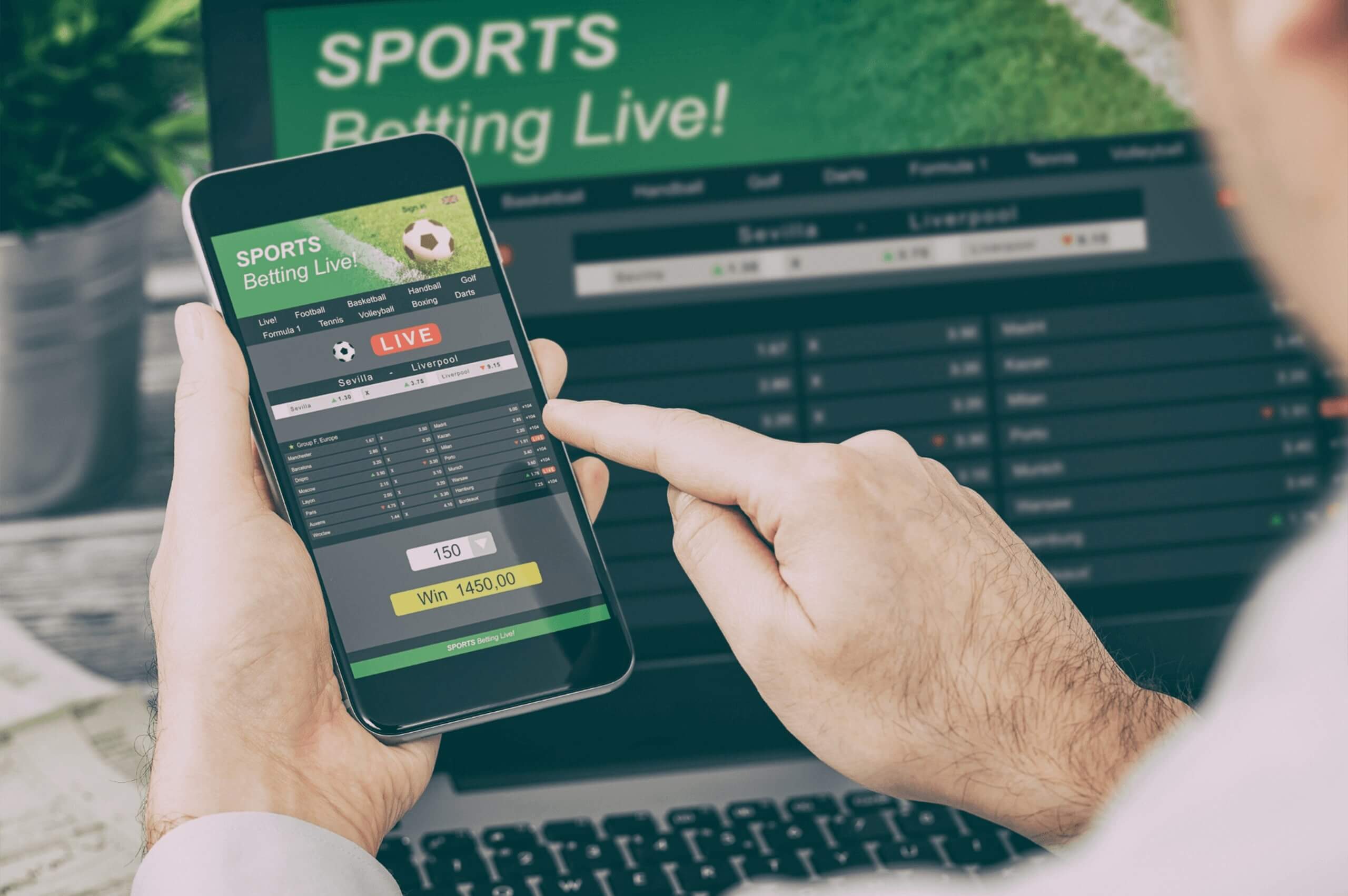


Our holistic, nationally-recognized and accredited program is here to provide you with the best evidence-based care, regardless of which stage of recovery you are in. Whether you’re seeking help for yourself or a loved one struggling with recovery – we can help.
Ending access to gambling can help prevent immediate losses, but lasting recovery also requires understanding what’s keeping the cycle going.
For one person, gambling may provide excitement or stimulation, while for another it can be a way to escape anxiety, depression, boredom, loneliness or difficult memories. Someone facing financial pressure might start gambling because they think one large win could fix those problems, even as repeated losses are making the problems worse.
Understanding the role gambling has been playing doesn’t excuse harmful behavior, but it can give treatment something more meaningful to address.
At Omega Recovery, we take a mental health-first approach to addictive behaviors. Treatment can help clients identify emotional and situational triggers, understand the thought patterns surrounding gambling, develop healthier coping strategies and start rebuilding areas of life that have been affected.

Omega Recovery provides outpatient online gambling addiction treatment addressing both compulsive gambling and the mental health concerns that contribute to it. Our approach combines evidence-based psychotherapy with experiential treatment and real-world community engagement.
Cognitive behavioral therapy (CBT) can be especially useful when addressing gambling-related thinking and behavior. Therapy can help clients recognize beliefs contributing to continued betting, like the idea that a losing streak has to eventually turn around or one or more bets will recover previous losses.
Treatment can also help clients identify their triggers, improve distress tolerance, strengthen emotional regulation and develop alternative responses when the urge to gamble happens.
At Omega Recovery, we use multiple therapeutic approaches according to individual clinical needs, including Cognitive Behavioral Therapy, Dialectical Behavior Therapy (DBT), Acceptance and Commitment Therapy (ACT), Internal Family Systems (IFS), experiential therapy, somatic approaches and other individualized interventions.
When anxiety, depression, trauma or other mental health concerns are present, the issues can also be incorporated into treatment instead of treating gambling like an isolated behavior.
Gambling can gradually start consuming large amounts of time, attention and emotional energy. Activities that once provided satisfaction can become less important as betting takes up more space.
Our Community Integration Model helps clients reconnect with meaningful real-world experiences while getting structured clinical support. Treatment can include outdoor and nature-based activities, recreation, social interaction, community involvement and opportunities to strengthen independence and purpose.
The approach reflects our philosophy of Real Life Treatment. Recovery isn’t just about avoiding a gambling app. It’s about building relationships, routines, interests and goals that make everyday life worth living.
Omega Recovery provides a structured continuum of outpatient treatment in Austin. Our clients may start with our Partial Hospitalization Program (PHP), which provides a high level of outpatient clinical structure. Treatment can then step down into a 5-Day Intensive Outpatient Program (IOP) followed by a 3-Day Intensive Outpatient Program as clients become more independent.
Continued Community support may also follow formal treatment.
The gradual progression gives clients opportunities to practice healthier coping strategies and decision-making in everyday life while still getting clinical and community support. The right level and length of treatment depend on each client’s needs, rather than a one-size-fits-all timeline.
Gambling problems don’t need to reach financial catastrophe before professional treatment is appropriate. Repeated unsuccessful attempts to stop, chasing losses, hiding gambling, relationship problems, financial instability or worsening mental health can all indicate additional support could be useful.
At Omega Recovery, we provide outpatient treatment for gambling, technology-related addictions and mental health concerns in Austin, Texas. Our approach combines individualized psychotherapy, experiential care, community integration and treatment for the emotional and behavioral issues that may contribute to compulsive gambling.
If online gambling has gotten hard to control for you or someone you care about, contact Omega Recovery to learn more about online gambling addiction treatment and whether our approach may be the right next step.

 Call Now