










In the wake of school shootings by teenagers, everyone is running back and forth trying to find a possible cause to these monstrosities. Why would a ‘normal’ kid suddenly go berserk and try to end the lives of their teachers and peers?
While each case differs due to various variables that triggered each shooter, they share common elements. These common factors are worth investigating to understand the root causes of school shootings. Is there a link between video games, drug abuse, and violent weapon availability? Do these factors contribute to school shootings when combined together in certain individuals? This article will discuss that connection.
Video Gaming Addiction: A Growing Concern
Most high school going kids are more than likely active gamers. And while video games have been shown to significantly improve visual-spatial skills, there can be too much of a good thing. Video games, especially modern ones that are mission-centered, are designed to hook the individual for hours on end. Additionally, there are so many levels or layers to a game that it might take weeks or months for one to complete just one game. And with the thousands of games available, the individual is more than likely going to have a lot on their hands. This constant playing is likely to result in a condition known as video gaming addiction.
In fact, the World Health Organization recently added ‘gaming disorder’ to its list of mental health conditions.
Gaming disorder can be used synonymously with video gaming addiction in medical and psychological contexts. It refers to the condition where individuals lose control over their gaming habits completely. They start prioritizing gaming over other interests, responsibilities, and important relationships in their lives.
Gaming as a Coping Mechanism
While some people play video games for purely recreational purposes, others use gaming as a coping mechanism for their stress and anxiety. As such, understanding the motivation behind the gaming is key to identifying the cause of their disorder. A study found that using gaming as a coping mechanism for stress resulted in even higher levels of stress.
To understand how video games are a contributory factor towards school shootings, let us look at the link between mental illnesses and school shootings.

The Psychology of Mass Shooters
According to the book, Gun Violence and Mental Illness, individuals who commit mass shootings are known to plan well in advance. They usually bottle up extreme feelings of anger and revenge. And because they are typically socially isolated, they tend to act alone most of the time.
The book notes common traits among shooters and historical factors that contribute to massacres. A case study of five murderers revealed they began seeing people as uncaring during childhood. These individuals perceived others as rejecting them, which shaped their worldview and behavior patterns.
All subjects had been isolated or bullied during their childhoods, and they inevitably became loners who despaired over their social alienation. These led to paranoid tendencies such as grudge holding and suspiciousness.
Consequently, they spent a significant amount of time harboring feelings of resentment as they ruminated on past humiliations. This constant rumination eventually evolved into fantasies of violent revenge.
All the above are indicators of an underlying mental illness caused by the constant stress and anxiety felt by these individuals.

How Violent Video Games Increase Aggression
As a result of their social alienation, school shooters use video games as a means of coping. And they will spend hours on end playing these games. The American Psychological Association conducted a review of research and found out that individuals who play violent video games were more likely to engage in aggressive behavior.
If video games can foster violent behavior in mentally stable individuals, think about the impact they have on kids harboring violent revenge fantasies.
In addition to increasing an individual’s levels of aggression, violent video games have been found to desensitize gamers to violence. As a result, they have a lower value for human life. Consequently, the gamer’s lost empathy makes them more likely to take human life without the feelings of remorse that would affect a ‘normal’ person.

The Role of Psychotropic Drugs
CCHR, the Citizens Commission on Human Rights, is a prominent mental health watchdog organization. CCHR has been investigating school shootings since the Columbine High School incident in 1999. The body’s investigation reveals at least 36 school shootings involved individuals using psychotropic drugs. These shooters were either using or withdrawing from psychotropic medications during their attacks. These incidents resulted in 80 fatalities and over 170 people wounded across the United States.
Doctors typically prescribe psychiatric drugs to individuals with mental health problems to help them cope. Individuals might eventually end up developing a dependency on these drugs. Consequently, they start abusing the drugs, and drug addiction follows.
When the drug addiction becomes a real problem, withdrawing is usually the next logical step. However, a 2012 study published in Psychotherapy and Psychosomatics revealed that withdrawing from psychotropic drugs can lead to violent and aggressive behavior.
The Perfect Storm: When All Factors Combine
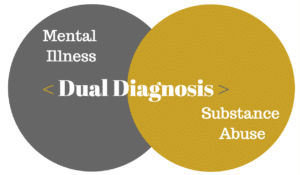
Most school shooters usually have an underlying form of mental illness. Even though the specifics may vary among shooters, most have had a troubling childhood. Often bullied or isolated, these individuals become loners who use video games as a coping mechanism. All while fantasizing on violent revenge.
Video games, on the other hand, increase aggression levels in gamers while desensitizing them to violence. This results in reduced empathy which makes the person more likely to commit a shooting.
Doctors prescribe psychotropic drugs to help individuals with mental illnesses better cope with stress and anxiety. Due to high daily stress levels, these individuals are likely to become addicted to the drugs. Withdrawing from these drugs increases their aggression further, creating a dangerous cycle of dependency.
It does not help that guns can be easily found in American households. In fact, an analysis of 145 school shootings committed since 1999 revealed that 80 percent of the guns were taken from the shooter’s home or that of their relatives. And if those weapons were not so easily accessible, over two-thirds of the shootings would never have happened.

The bottom line is combining mental illness, drug abuse, video games, and weapons greatly increases school shooting likelihood. To prevent this from happening, it is important that you get to know your child better. Look out for signs of stress, anxiety, and depression. Next, take them to a recovery center that takes a holistic approach to mental health treatment rather than just prescribing drugs to the child. Doing this might just prevent yet another shooting.