










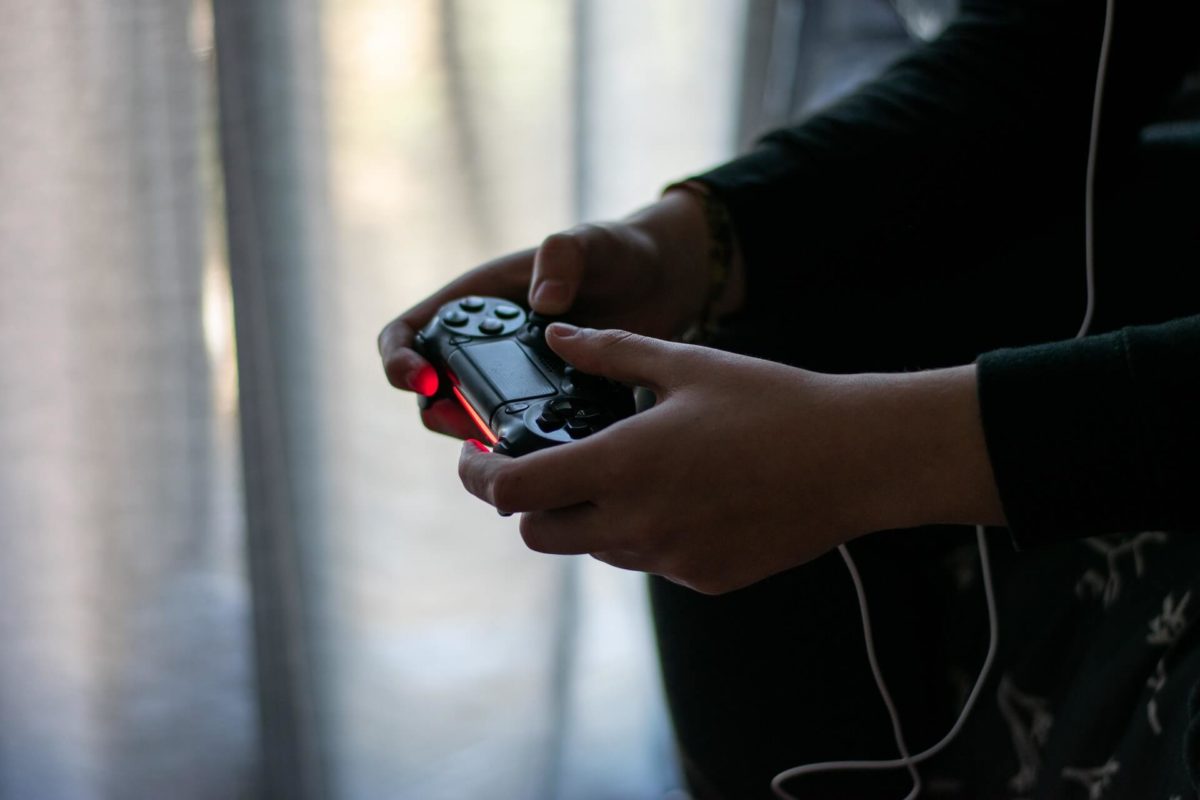
Some people may assume gaming addiction as the least concerning of all the addictions we see today in our world. But, have them talk to a loved one of someone struggling, and perhaps they will have a better understanding how gaming addiction can be worse than you think. According to Wikipedia, addiction is a neuropsychological disorder characterized by a persistent and intense urge to use a drug/substance despite substantial harm and other negative consequences. Untreated addiction often alters brain function in ways that perpetuate craving, and weakens self-control. Apply technology in absence of the substance, and you have a sober individual on the path toward destruction in their own life.
Gaming addiction left unnoticed and/or untreated can change the way a person interacts with the world so dramatically that their life can lead an entirely different course. Gaming addiction can affect; family relationships, school, work, job performance and motivation, romantic relationships, and even everyday life responsibilities. Let’s take a look into how gaming addiction can intertwine and have an effect on someone’s everyday life.
How Gaming Addiction Affects Every Part of Life – The Side Effects
The Brain –
There is a reason why playing video games is so much fun, in fact, there is reward circuitry in your brain that fuels the fun. Dopamine is a neurotransmitter that regulates the feeling of pleasure and is released by the brain when playing video games. When this happens joy is felt in turn by the user because the nucleus accumbens (pleasure center of the brain) is activated from the dopamine release. During video game play the brain releases a constant dopamine supply, with occasional random bursts. Over time, your brain gets used to this steady supply of dopamine, and the nucleus accumbens requires even more dopamine release to deliver the same feelings of joy.
Gaming addiction can be worse than you think because it prevents users from enjoying less stimulating activities. Users cannot enjoy anything that is not as stimulating as a video game for entertainment. Users also seek other forms of stimulation similar to video game play to feel joy. They browse the internet or scroll through social media seeking dopamine hits and pleasure feelings. Video game addiction can put a damper on or even end things, hobbies, and activities. Users lose interest in activities once enjoyed and abandon hobbies they previously loved doing regularly. Simple activities will seem completely unappealing, and users will not feel motivated to do anything mundane. You will not be motivated to do anything that isn’t exciting or stimulating anymore daily. That is the height of dopamine addiction and dependency on constant stimulation for pleasure feelings.
The Body –
Video game addiction affects the physical body in obvious ways. Hands, fingers, wrists, and the back are exposed to repetitive motion damage. One common condition is ‘Gamer’s Thumb’, or Quervain’s Tenosynovitis. Tendons that move the thumb become inflamed, causing pain and limited movement. Similar is ‘Trigger Finger’ or Stenosing Tenosynovitis, where a finger gets stuck in a bent position. Fingers used to play video games may bend or straighten with a snap, like pulling a trigger.
Gaming addiction enables many conditions from prolonged sitting. Research links extended sitting to obesity, increased blood pressure, high blood sugar, excess body fat, and unhealthy cholesterol levels. Prolonged sitting results in rounded shoulders, forward head posture, curved lower back, and future back and neck problems.
Eyestrain concerns those with unhealthy gaming addiction. Staring at blue screens for hours damages eye health. Eyes focus differently on video screens than flat surfaces like books. Books are less strenuous because the distance is constant and eyes know where to focus. Video screens require continually changing focus, leading to eye fatigue. Young adults and children face greater risk for health problems from gaming addiction.
The Diet –
Another factor of concern, or why gaming addiction can be worse than you think, is eating habits. Gaming addiction has a significant impact on eating habits and nutritional choices for addicted individuals. Some individuals are so engulfed in game play that they binge on unhealthy snacks during sessions. Others forget about eating at all during long gaming sessions, leading to malnutrition and health problems. Malnutrition and obesity are major risk factors from gaming addiction that target adolescents and young adults struggling. These young people are already struggling with making good food choices and maintaining healthy eating patterns daily. Preliminary evidence has shown that excessively playing video games can lead to obesity in teens unfortunately. Hence the need to seek a gaming addiction center for yourself or a loved one as soon as possible.
The Happiness –
Unfortunately game makers have hacked the happiness circuit, as video games are an easy way to trigger dopamine to the brain. Video games deliver all the psychological rewards people seek to gain from the real world, without having to do any mental and physical work. In fact, what most users want to feel in their game is often very similar to what they crave in real life. Friendships, adventure, excitement, victorious battle, accomplishments, and gaming status are some similar examples. Again, over time the gaming addiction user gets used to the steady supply of dopamine to their brain. Leaving their nucleus accumbens to require even more dopamine release to deliver the same feelings of joy. Gaming addiction can be worse than you think because it rewires real and true happiness.
The Relationship –
One of the hardest things for someone going through gaming addiction with a loved one is the stress put on their relationship. Already hard enough at times, relationships need daily nurturing for them to grow or even maintain. Addictive video game play hinders the time left in the day to talk to friends and family, let alone pursue romantic relationships. Because of video games’ addictive nature, much time spent before in a relationship ends up being spent in game play. However, there is a healthy amount of gaming with friends and family that can lead to stronger bonds when distance is a reality. But gaming addiction can be worse than you think when excessive gaming often results in isolation. Therefore, the need to find help for yourself or a loved one before the complete neglect and destruction of a relationship.
Why Omega Recovery is the Best For Gaming Addicts
Omega Recovery was created in Austin in 2018 in order to address the explosive epidemic of addictive and mental health disorders that are occurring in record numbers among young people today. Building on the pioneering work of Dr. Nicholas Kardaras, Omega created cutting edge protocols combined with the best evidence-based modalities to effectively and meaningfully treat young people struggling with gaming addiction. Omega clients engage in both traditional psychodynamic therapies and experiential nature-immersion and adventure therapies. Conventional trauma-informed therapies include CBT and DBT to help shift young people into healthier habits. These therapies also address the underlying issues that are contributing to their distress and struggling behaviors. Omega’s clinical model proved extremely effective and garnered significant media attention as clients got referred nationwide. Clients started getting referred from all over the country for Omega’s innovative and effective treatment approach.