





Visit Us
Get Directions



Social media addiction describes a pattern of compulsive social media use that keeps going even when it’s leading to negative consequences. The pattern is often referred to as problematic social media use by clinicians and researchers.
Social media addiction isn’t currently classified as its own formal mental health diagnosis, but researchers have identified patterns resembling other behavioral addictions, especially if someone feels like they can’t control their use.
Spending significant time online doesn’t necessarily mean someone has an addiction; instead, what matters is how social media is affecting their ability to function throughout their daily life.
Someone could have a problematic relationship with social media if they repeatedly intend to stop but can’t, feel strong urges to check platforms or keep using them even when doing so is interfering with important areas of life.
“Social media can cause similar dopamine releases to the brain, mimicking the same euphoric experience that cocaine addicts chase. Likes, comments, retweets, and shares from social media platforms have been shown in studies to be nearly as addictive as a cocaine rush”


“Unfortunately, it seems that we, as a society, have entered into a Faustian deal. Yes, we have these amazing handheld marvels of the digital age – tablets and smartphones – miraculous glowing devices that connect people throughout the globe and can literally access the sum of all human knowledge in the palm of our hand. But what is the price of all this future tech? The psyche and soul of an entire generation. The sad truth is that for the oh-so-satisfying ease, comfort and titillation of these jewels of the modern age, we’ve unwittingly thrown an entire generation under the virtual bus.”
-Dr. Kardaras


Your treatment is likely to be partially or fully covered with almost any major insurance provider.

The clearest signs of problematic social media use involve loss of control and interference with everyday life.
Possible warning signs include:
One behavior doesn’t necessarily mean an addiction. It’s the overall pattern that matters, especially when social media starts to take priority over other responsibilities, relationships, mental health or activities a person previously valued.








”
So just shutting off your social media platforms for a while doesn’t really count as social media addiction treatment—it doesn’t address what’s driving the compulsive behavior and the need to perpetually be connected to social media platforms.”
Problematic social media use can become really closely linked with anxiety, depression, self-esteem, sleep, relationships and everyday functioning. That doesn’t mean social media automatically causes a mental health disorder, and people experiencing anxiety, depression, loneliness, or other difficulties may also be more likely to rely on social media as a way to cope.
Social comparison can be another concern because social platforms often present carefully curated versions of other people’s lives. Continually comparing appearance, relationships, careers, lifestyles, or popularity can cause some people to feel inadequate.
Problematic use may also interfere with:
The concern isn’t just how many hours someone spends online. It’s whether digital life has started replacing meaningful participation in real life.
Temporarily stepping away from social media can interrupt an unhealthy pattern, but just reducing access might not address why the behavior became compulsive.
For some people, social media becomes a way to cope with uncomfortable experiences. They might keep reaching for a phone when they’re feeling lonely, anxious, bored, insecure, overwhelmed or disconnected.
Social media can provide immediate stimulation or reassurance but not resolve the underlying problem.
That’s why it’s important for treatment to explore questions like:
At Omega Recovery, our approach to technology addiction treatment focuses on these underlying issues while helping clients develop healthier ways of coping, connecting and creating meaning in their lives.
Get HelpOmega Recovery provides structured outpatient treatment for technology addiction in Austin, combining psychotherapy with experiential and community-based care.
Our philosophy is built on real-life treatment, so instead of addressing compulsive digital behavior in isolation, we help clients improve their mental health while becoming more engaged with everyday life.
Treatment is individualized to each client’s needs, and therapeutic approaches available at Omega Recovery include Cognitive Behavioral Therapy (CBT), Dialectical Behavior Therapy (DBT), Internal Family Systems (IFS), psychodynamic therapy, somatic therapy, nature-immersion therapy, and adventure therapy.
Psychiatric and medication management are also available if they’re clinically appropriate.
During therapy, our clients can learn to recognize triggers, challenge unhealthy thinking patterns, develop emotional regulation skills, strengthen self-esteem, address trauma and explore what purpose social media has been serving in their lives.
Omega Recovery’s Community Integration Model takes treatment beyond the therapy room. Our clients have a chance to engage with Austin’s social, recreational, educational, cultural and nature-based resources while also getting access to structured clinical support. Our experiential approach is designed to help people rediscover interests, relationships, confidence and purpose outside the digital environment.
It’s especially important when technology has gradually replaced activities that once provided genuine satisfaction.
It can become a lot easier to have a healthy relationship with social media when a person also has relationships, interests, responsibilities, goals and experiences worth being present for.
GET HELP Verify Insurance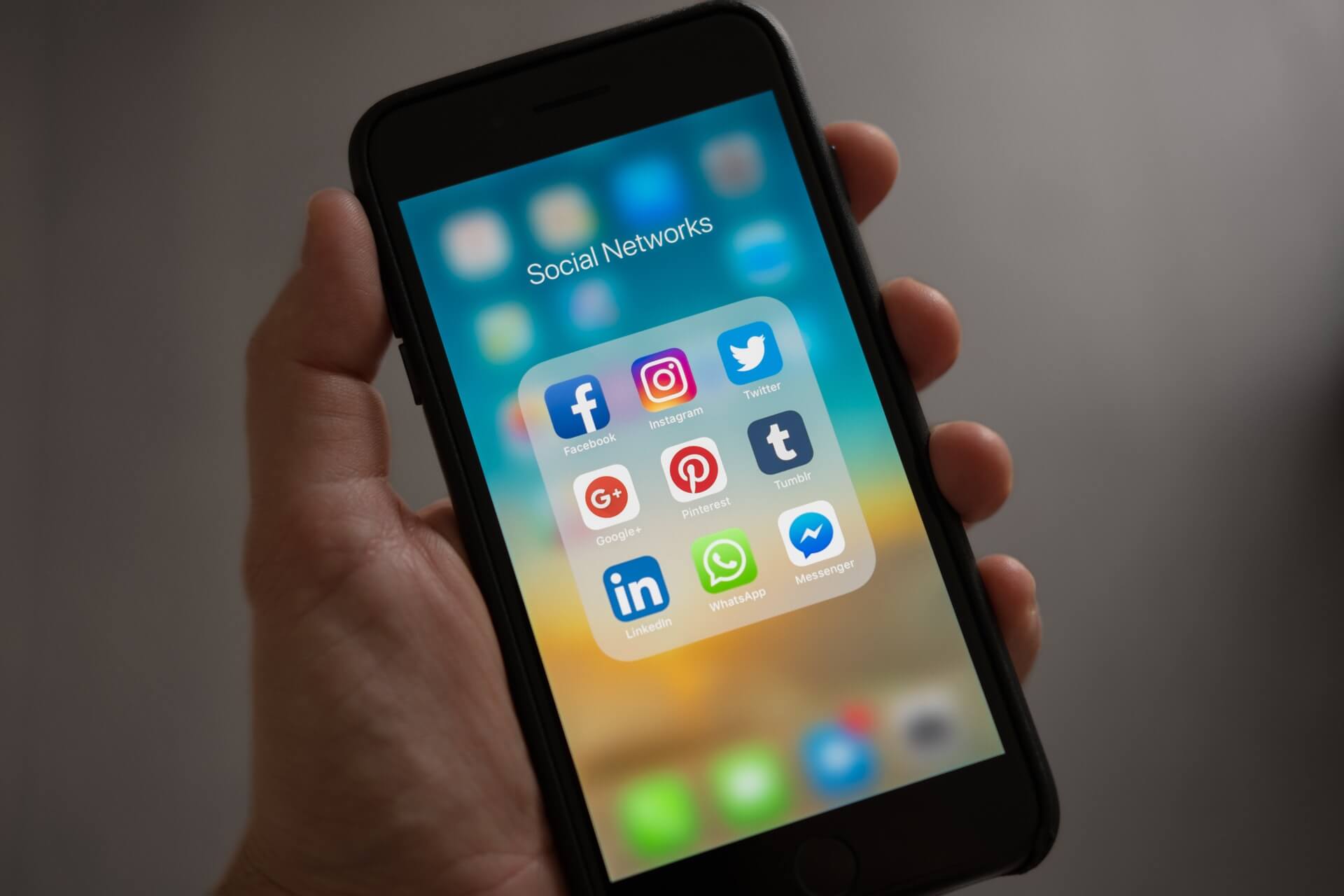


Our holistic, nationally-recognized and accredited program is here to provide you with the best evidence-based care, regardless of which stage of recovery you are in. Whether you’re seeking help for yourself or a loved one struggling with recovery – we can help.
Recovery from problematic social media use doesn’t necessarily mean avoiding technology forever. Phones, computers, messaging platforms and social media are integrated into modern work, education, relationships and daily life. For a lot of clients, the long-term goal is learning how to use these tools without letting them take control.
At Omega Recovery, we use a process of technology reintegration to help clients develop a healthier relationship with digital devices.
As treatment progresses, clients work with their therapists to create practical boundaries around technology. These may include identifying triggering platforms or behaviors, becoming more intentional about when devices are used and prioritizing offline routines.
Our Omega Recovery model also incorporates a digital re-entry plan designed to help clients transition back into a technology-heavy world while keeping up healthier habits.

Omega Recovery provides a structured continuum of outpatient treatment so clients get significant clinical support while gradually developing more independence.
Our primary levels of care include:
Then our clients might transition into Continued Community for ongoing support after formal treatment. The right level of care will depend on symptoms, functional needs, co-occurring mental health concerns, support system and treatment goals.
Omega Recovery is an outpatient treatment center, but when additional structure outside programming is appropriate, housing may be available through our community partners.
Social media itself isn’t inherently harmful, but the problem starts happening when digital connection is replacing relationships, responsibilities, experiences and activities that make offline life meaningful.
Omega Recovery specializes in helping clients address technology addiction and the mental health challenges that can contribute to it. Our Austin-based outpatient programs combine evidence-based clinical care, experiential treatment, community integration and intentional technology reintegration.
If social media has started feeling like it’s taking over your life or the life of someone you care about, you don’t have to rely on willpower alone. Contact Omega Recovery to learn more about our social media addiction treatment program and determine if our approach is right for your needs.

 Call Now