

Visit Us
Get Directions


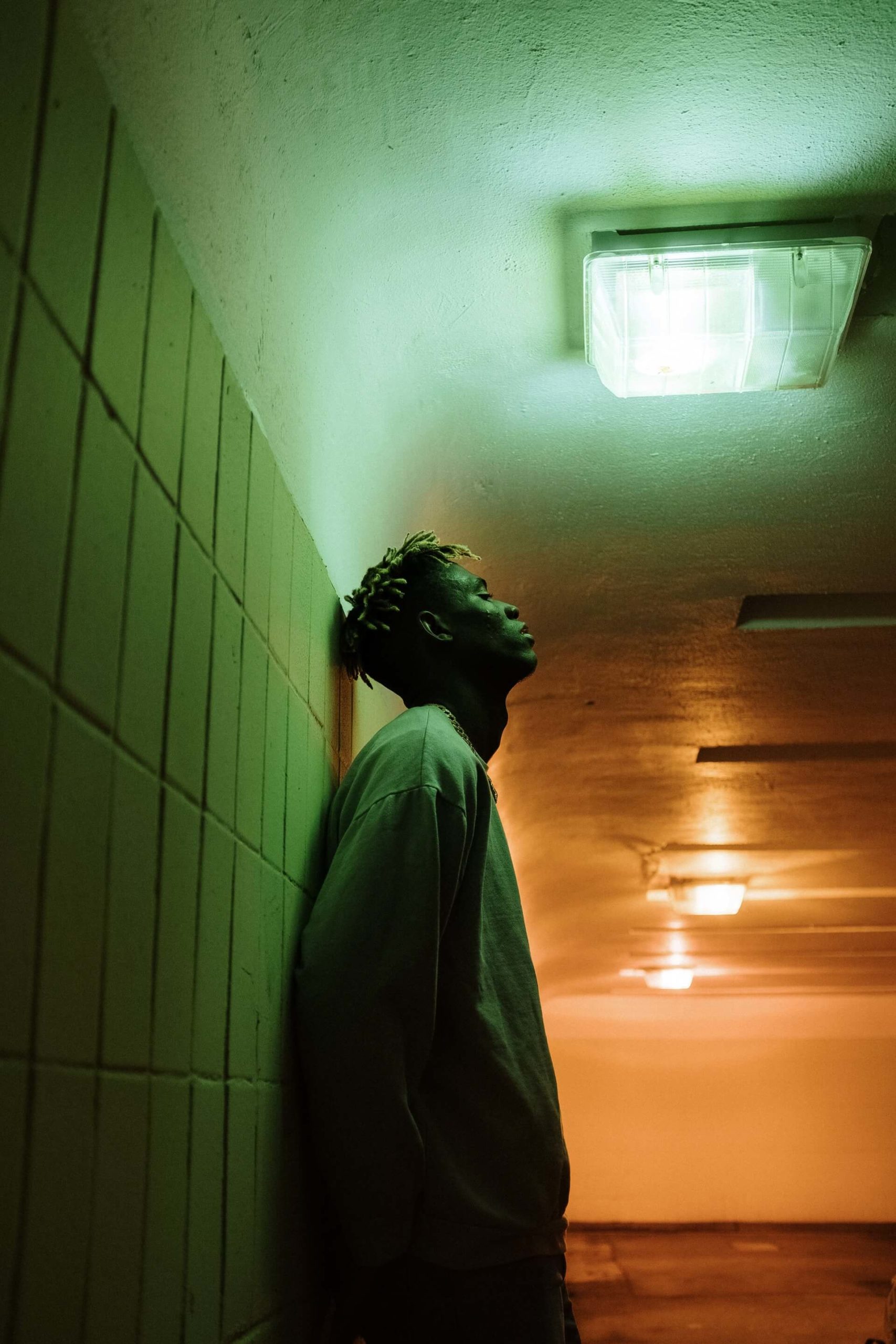
A Failure to Launch program is designed for the growing number of young adults who find themselves unable to move forward into independent life, weighed down by the pressures and emotional fallout of today’s world. As parents, educators, and mental health professionals, you’ve seen firsthand how anxiety, depression, substance use, social withdrawal, and overwhelming screen-time have eroded confidence and motivation in this age group. Many young adults are stuck—not because they lack potential, but because they’ve been navigating years of instability, uncertainty, and digital overload without the tools or support needed to thrive. A Failure to Launch program provides a structured, therapeutic pathway that helps these young adults rebuild emotional strength, regulate mood, break unhealthy tech or substance use patterns, and develop the life skills required to stand on their own. With a blend of clinical therapy, experiential work, and real-world accountability, this type of program gives young adults the clarity, stability, and support they need to step into adulthood with confidence and purpose.
At Omega Recovery, every young adult in the Failure to Launch Program moves through a structured three-phase system designed to promote stability, skill-building, and long-term independence. The total length of the program depends on our clinical team’s recommendations, allowing each young adult to move through PHP, IOP 5, and IOP 3 at a pace that supports genuine, lasting progress.
PHP is the foundation of the Failure to Launch Program and the first required phase for every client. Over 8 intensive weeks, young adults participate in daily therapeutic programming grounded in DBT, experiential activities, psychiatric support, and family involvement. This phase helps clients stabilize emotionally, regulate overwhelming feelings, reduce symptoms tied to substance use or tech addiction, and build the motivation needed for change. PHP provides a full-time, immersive environment that prepares each client to step down safely into the next level of care.
After completing PHP, clients transition into the 5-Day Intensive Outpatient Program. This phase still offers strong clinical support—group therapy, individual counseling, relapse prevention, tech-use restructuring, and emotional regulation work—but with increased flexibility. Young adults begin practicing the skills learned in PHP while reintroducing school, work, or family responsibilities at a manageable pace. IOP 5 reinforces accountability, strengthens coping skills, and helps clients build confidence as they take on more independence.
The final phase of treatment, IOP 3, is for clients who have demonstrated emotional stability, consistent progress, and readiness for greater autonomy. With a 3-day weekly structure, young adults continue receiving therapeutic support while actively integrating into daily life—whether that means employment, college, or independent living. IOP 3 focuses heavily on relapse prevention, managing technology use, strengthening executive functioning, and preparing for aftercare. This phase bridges treatment with real-world independence, ensuring each client leaves with confidence and long-term stability.
In addition, Omega Recovery offers a full continuum of care. The following additional services are available to you:

Community Integration Treatment
Structured Daily Support
Recovery Support



We understand that insurance coverage may be the deciding factor in what treatment options you can consider. If we are unable to work with your insurance we will promptly assist you with a referral to a quality program that does.



I’m a psychologist and former Clinical Professor at Stony Brook Medicine in NY and the CEO and Chief Clinical Officer at Omega Recovery here in Austin. I’m also the author of the best-selling book “Glow Kids”, the seminal book on screen-time (social media; gaming) and the clinical impact on kids. I’ve also provided mental health services to school districts around the country and have worked with over 2,000 teens in the last 18 years. As one of the country’s top thought leaders on mental health and teens, I’ve appeared on Good Morning America, CNN, FOX & Friends, 20/20 and NPR. But perhaps even more importantly, I’m a parent of twin teenage boys and personally understand the challenges that our teens today are facing.

 Call Now